Ana içeriğe atla

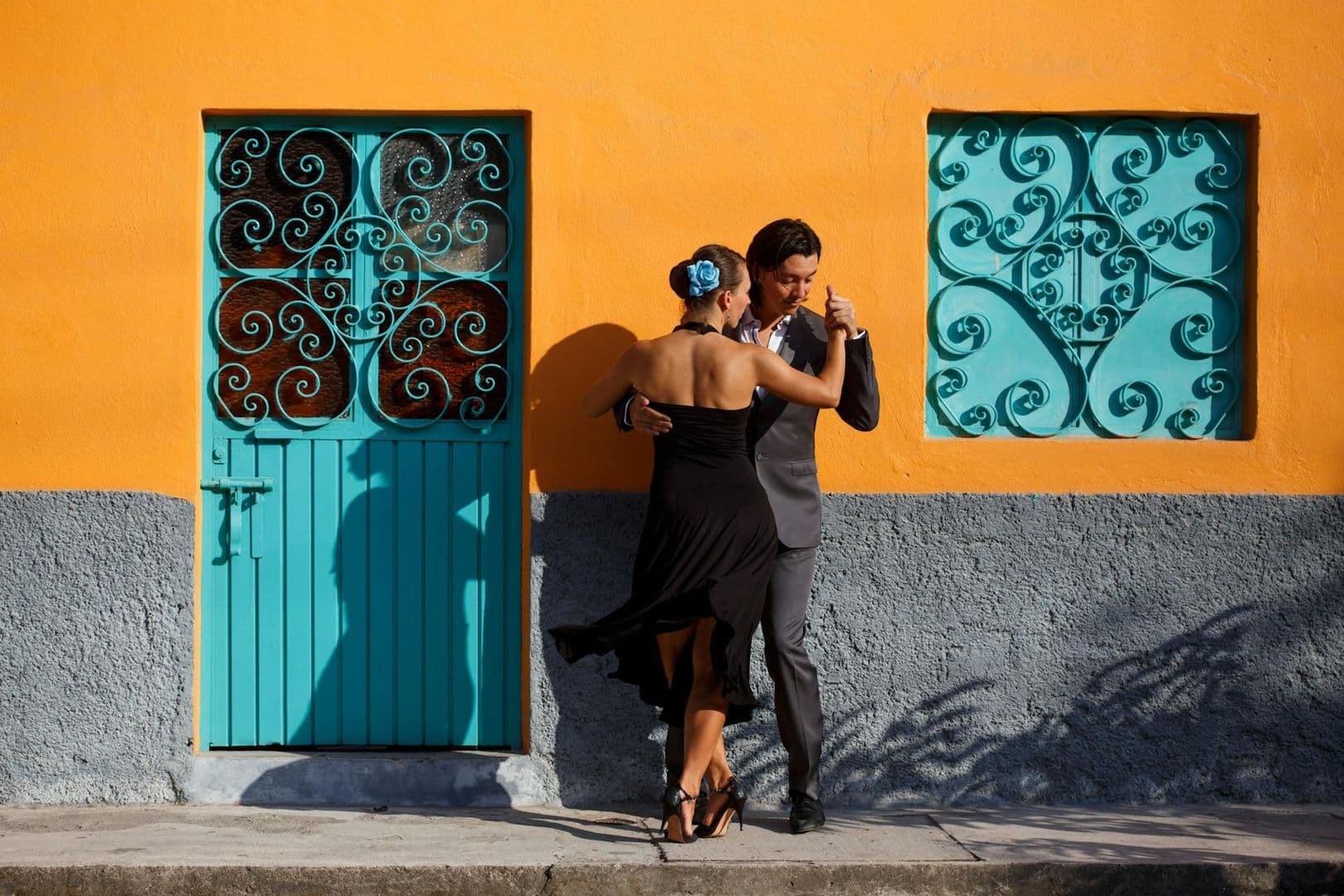
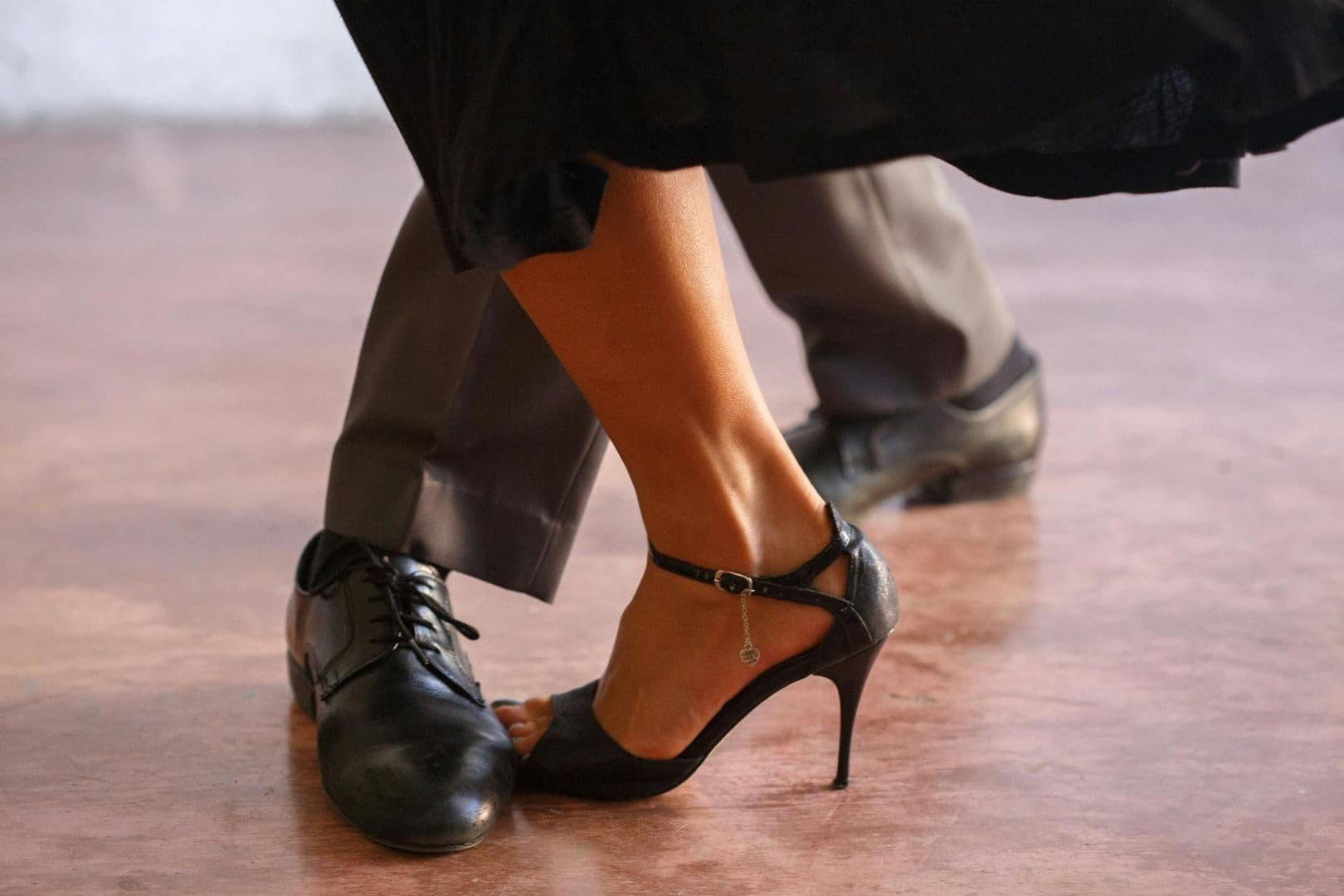
Adornos (embellishments) are one of the most elegant elements of tango. They're a way to interpret the music and add your personal expression to the dance. In this guide, I'll explain the basic adornos techniques and when to use them.

Adornos are not led by the leader - they are your response to the music and the moment. This is one of the rare moments in tango where the woman has her own voice.

Gamze Yıldız

What Are Adornos?

💃

Adornos[a-DOR-nos]

Embellishments. Personal movements the follower adds to basic steps.

When to Do Them?

  • When the leader pauses or waits
  • During musical accents
  • Between turns and pauses
  • Never disrupting the leader's guidance

Golden Rule

Adornos are done while maintaining connection first. An embellishment that breaks communication with your partner is not a good embellishment.

Basic Adornos Techniques

1. Lápiz (Pencil)

💃

Lápiz[LA-pis]

Drawing lines or shapes on the floor with the toe.

How to do it:

  1. Weight on one foot
  2. Draw circles or lines on the floor with the free foot's toe
  3. Start small, keep it elegant

When:

  • During pauses
  • When the leader pivots
  • Before ochos

2. Golpe (Tap)

💃

Golpe[GOL-pe]

Light, rhythmic tap on the floor with the foot.

How to do it:

  1. Lightly tap the floor with the sole of your free foot
  2. Can be single or double
  3. Synchronize with musical accents

When:

  • Strong musical accent moments
  • End of phrases
  • Where rhythmic emphasis is needed

Tip

Golpe shouldn't be too loud. A gentle "tick" sound is enough. Don't yell at the floor in a milonga!

3. Caricia (Caress)

💃

Caricia[ka-RI-sia]

The foot caressing partner's leg or your own leg.

Types:

  • To partner: Caressing their leg with the inside of your foot
  • Self: Caressing your own calf

When:

  • In close embrace positions
  • During slow music
  • In emotional moments

4. Boleo

💃

Boleo[bo-LE-o]

Whipping movement of the free leg, usually following a sudden direction change.

Types:

  • Low boleo: Leg stays close to ground
  • High boleo: Leg goes up (only in shows!)

Important

High boleos are DANGEROUS in milongas. You could kick someone! Keep boleos low in social dancing.

5. Gancho

💃

Gancho[GAN-cho]

Hook. Wrapping your leg around partner's leg.

How:

  1. Usually led, but can be adorned
  2. Use the inside of your leg
  3. Keep it controlled

Tips for Practice

Start Simple

  • Master one technique at a time
  • Practice with slow music first
  • Build muscle memory

Music First

  • Listen to the music
  • Find the right moments
  • Don't force adornos where they don't fit

Mirror Practice

  • Watch yourself
  • Check your posture
  • Ensure elegance, not just movement

The best adornos are the ones that look effortless. When you have to think about them, they're not ready yet.

Gamze Yıldız

Common Mistakes

  1. Too many adornos: Less is more
  2. Wrong timing: Listen to the music
  3. Breaking connection: Partner first, adornos second
  4. Too big: Keep it subtle in social dancing
  5. Tension: Stay relaxed
  1. Week 1-2: Lápiz variations
  2. Week 3-4: Golpe and timing
  3. Week 5-6: Caricia techniques
  4. Week 7-8: Low boleo (carefully!)
  5. Month 3+: Combining techniques

Practice Tip

Film yourself dancing. Watch where you naturally pause - those are your adornos opportunities.


Ready to add elegance to your dance? Book a lady styling lesson and we'll work on your personal adornos vocabulary together!
Related Posts