History of Tango Music: From Buenos Aires to the World
Tango music's 150-year journey. From La Guardia Vieja to today, periods, names and turning points.
Tango music's 150-year journey. From La Guardia Vieja to today, periods, names and turning points.
Tango music was born in the port neighborhoods of Buenos Aires and conquered the world in 150 years. In this article, you'll discover tango's musical evolution, important periods and names.
Gamze YıldızTango was born from immigrants' longings, street life, love and loss. Every note tells a story.
Buenos Aires at the end of the 19th century was one of the most cosmopolitan cities in the world:
These cultures met in the port district La Boca and San Telmo neighborhoods.
| Instrument | Origin | Contribution |
|---|---|---|
| Guitar | Spain | Rhythm foundation |
| Flute | Europe | Melody |
| Violin | Italy | Emotional expression |
| Bandoneon | Germany | Tango's soul (later) |
"Old Guard Period"
Ángel Villoldo (1861-1919)
Rosendo Mendizábal (1868-1913)
The bandoneón, brought from Germany in the early 1900s, changed tango's sound forever. This instrument added characteristic melancholy and drama to tango.
This instrument, produced for church music in Germany, gained a new identity in tango. Today when you say bandoneón, only tango comes to mind.
"New Guard Period"
Carlos Gardel (1890-1935)
"He sings better every day" - This saying about Gardel after his death shows his legendary status.
Julio De Caro (1899-1980)
In the 1910s, tango became fashionable in Paris. European aristocracy adopted this "scandalous" dance. This gave tango international legitimacy.
"Golden Age" - Tango's brightest period
"El Rey del Compás" - The King of the Beat
Important Songs: "La Cumparsita", "El Flete", "Pensalo Bien"
"El Señor del Tango"
Important Songs: "Bahía Blanca", "A la Gran Muñeca"
"Pichuco"
Important Songs: "Quejas de Bandoneón", "Sur", "La Última Curda"
Dramatic Tango
Important Songs: "La Yumba", "Gallo Ciego", "Recuerdo"
In this period, Piazzolla transformed tango:
Important Works: "Libertango", "Adiós Nonino", "Oblivion"
Tango music's history is a journey from marginalized port neighborhoods to concert halls worldwide. Understanding this evolution helps dancers connect more deeply with the music they dance to.
Related Articles:
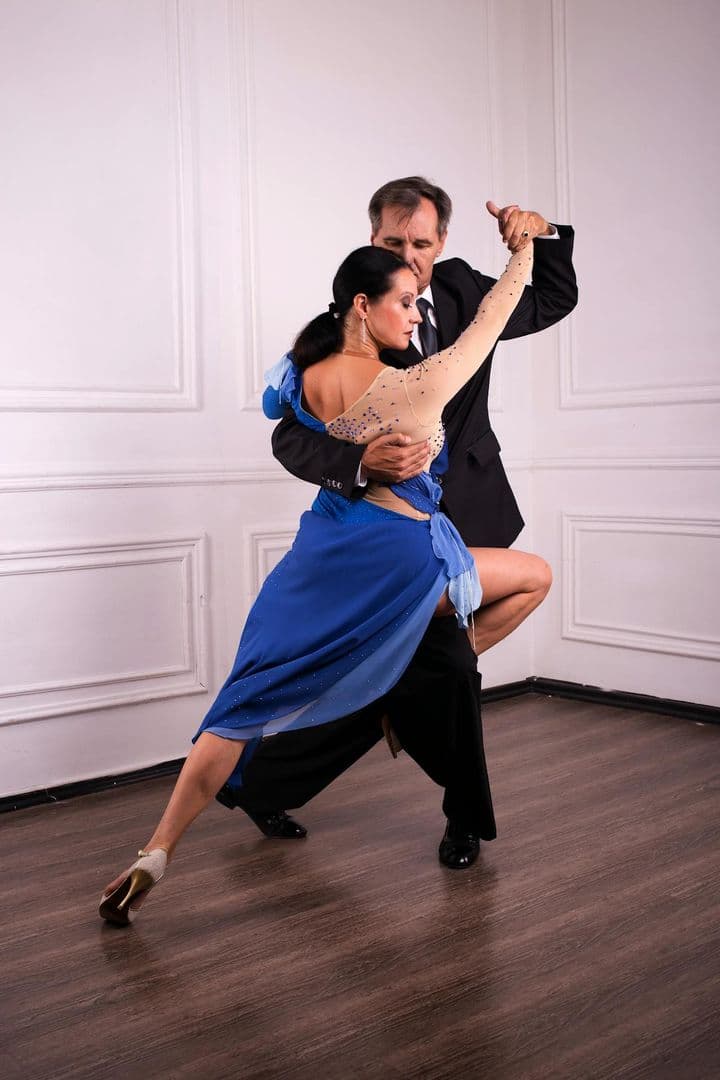
When someone asks 'Which orchestra is this?' at the milonga, you'll be able to answer...
Understanding the music makes you a better dancer. From Di Sarli to Troilo...
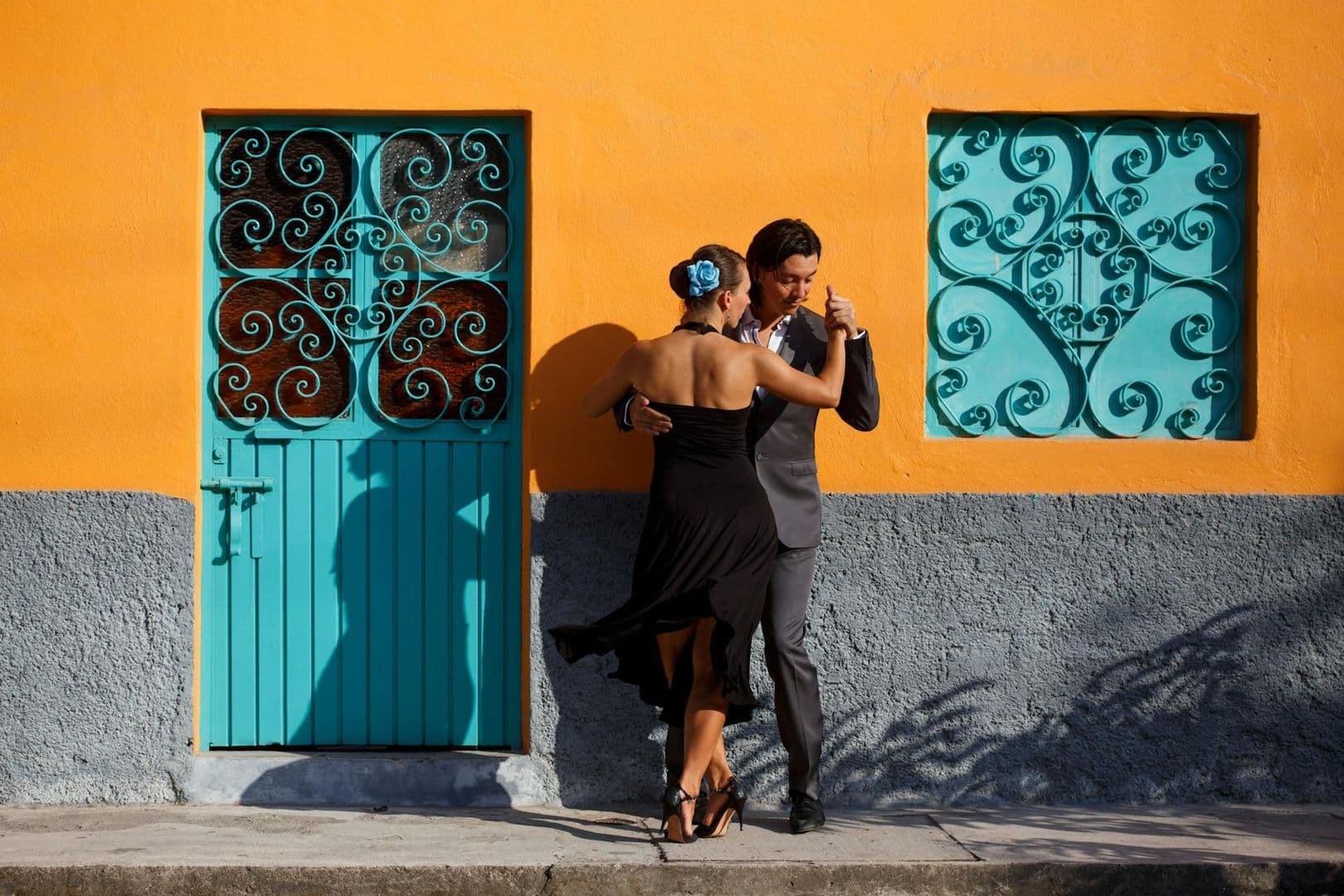
A milonga isn't just a place where you dance - it's your home where you meet your tango family...