Ana içeriğe atla

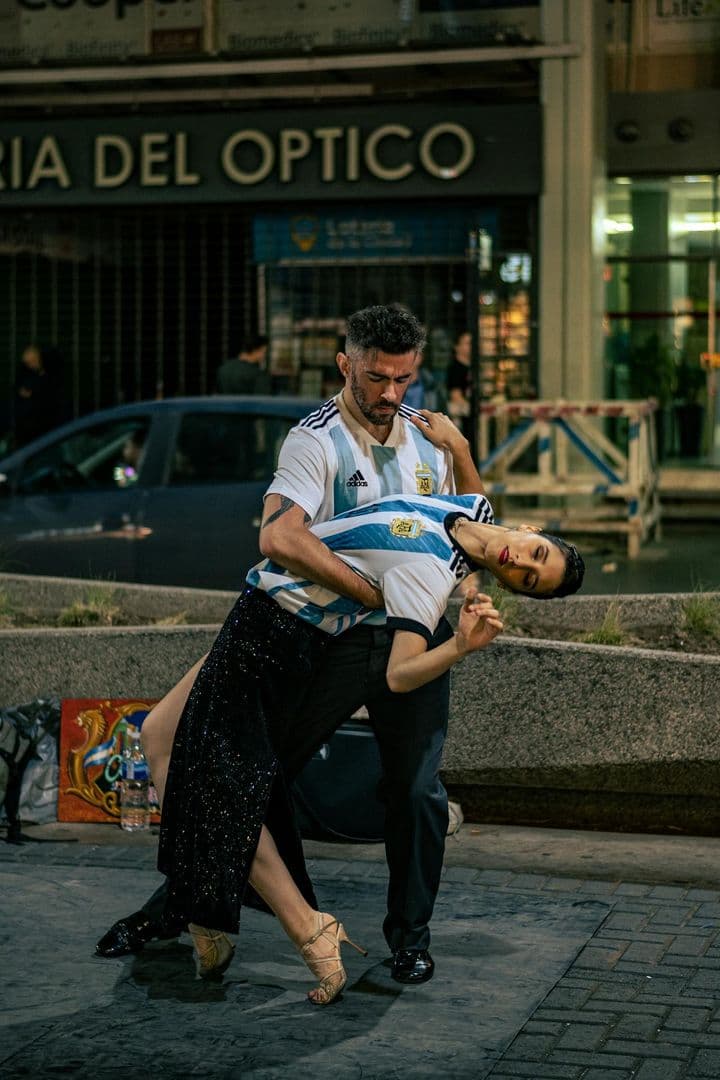
Abrazo - "embrace" in Spanish - is the heart of tango. The physical connection you establish with your partner determines the quality of the dance. Without a good abrazo, there is no good tango.

Abrazo means two bodies beating with one heart. Technique is important, but feeling is more important.

Gamze Yıldız

What Is Abrazo?

💃

Abrazo[ab-RA-so]

Tango embrace. The frame and connection created by two partners holding each other.

Abrazo is not just hand and arm position:

  • Physical connection - Body-to-body contact
  • Emotional connection - Trust and empathy
  • Musical connection - Feeling the same rhythm
  • Communication channel - The path of lead and follow

Abrazo Styles

1. Open Abrazo (Abrazo Abierto)

Distance between partners. Ideal for beginners.

Characteristics:

  • Space between chests
  • Arms more open
  • More visual control
  • Wide movement range

When to Use:

  • Beginners
  • Complex figures
  • Nuevo tango
  • Stage tango

2. Close Abrazo (Abrazo Cerrado)

Partners chest to chest. Milonguero style.

Characteristics:

  • Chests in contact
  • V shape (contact at chest, feet slightly apart)
  • More intense connection
  • Small movements

When to Use:

  • Crowded milongas
  • Milonguero style
  • Emotional tangos
  • Advanced dancing

3. Elastic Abrazo

Transition between open and close. Modern approach.

Characteristics:

  • Dynamic distance
  • Adapts to figure
  • Flexibility
  • Versatility

Comparison Table

FeatureOpenCloseElastic
Distance15-30 cm0-5 cmVariable
Connection pointArmsChestBoth
Movement rangeWideNarrowAdjustable
Beginner level✅ Ideal❌ Difficult⚠️ Medium
Milonga suitabilityMediumHighHigh

Basic Abrazo Position

For the Leader

Right Hand:

  • At partner's left shoulder blade level
  • Fingers together, flat
  • Not tight, supportive
  • Don't press down

Left Arm:

  • Elbow slightly bent
  • Hand at chest height
  • Gentle hold of partner's hand
  • Don't lift up

Body:

  • Shoulders relaxed, down
  • Chest open
  • Stomach in
  • Upright posture

For the Follower

Left Hand:

  • On leader's right shoulder or arm
  • Light touch
  • Don't hang
  • Comfortable position

Right Hand:

  • In leader's left hand
  • Gentle grip
  • No pressure
  • Ready to follow

Body:

  • Shoulders relaxed
  • Left side toward leader
  • Slight forward lean (for contact)
  • On your own axis

Common Abrazo Mistakes

Leader Mistakes

Don't Do These

  1. Tight grip - Squeezing partner
  2. Pressing down - Pressure on shoulders
  3. Hanging - Leaning on partner
  4. Tense arms - Should be flexible
  5. High elbows - Raising above shoulder level

Follower Mistakes

Don't Do These

  1. Hanging - On leader's neck/arm
  2. Pulling away - Breaking contact
  3. Resisting - Opposing the lead
  4. Loose posture - Losing your own axis
  5. Excessive decoration - Adornos that break abrazo

Exercises to Improve Abrazo

Exercise 1: Wall Test

  1. Lean your back against the wall
  2. Your shoulders and head touch the wall
  3. Maintain this posture while doing abrazo
  4. Keep shoulders down

Exercise 2: Paper Test

  1. Put a paper between partners' chests
  2. Dance without dropping the paper
  3. Ensure connection stays constant

Exercise 3: Eyes Closed Abrazo

  1. Close your eyes
  2. Communicate only through abrazo
  3. Feel the connection
  4. Develop trust

Exercise 4: Slow Walk

  1. Simplest caminata
  2. Focus on abrazo quality
  3. Check connection with each step
  4. Don't rush

Abrazo and Communication

Lead & Follow Mechanics

Communication through abrazo:

  1. Torso movement - Main source of lead
  2. Chest direction - Shows direction
  3. Arm frame - Defines space
  4. Energy transfer - Indicates timing

Conclusion

The abrazo is your conversation in tango. Like any conversation, it needs both parties to participate, listen, and respond. Practice your abrazo, and your entire dance will improve.


Related Articles:
Related Posts