What is Tango? The Magical World of Argentine Tango
Everything you need to know about Argentine tango. Its history, philosophy, and why it's so special.
Everything you need to know about Argentine tango. Its history, philosophy, and why it's so special.
"What is tango?" This is the first question every new student asks. The short answer: Tango is a dance where two people embrace and move with the music. But the real answer is much deeper...
Gamze YıldızTango is the art of expressing with the body what cannot be said with words.
In the late 19th century, immigrants from all over the world came to Buenos Aires. Italians, Spaniards, Germans, Poles, and people of African descent...
These people:
And from this mixture, tango was born.
The origin of the word "tango" is debated. Some claim it comes from African languages, others argue it derives from the Spanish word "tangir" (to touch).
In tango, two partners become one under the guidance of music. This connection is not just physical but an emotional bridge.
Tango is not choreography. Every dance is created in the moment. The leader proposes, the follower responds.
Tango music is the soul of the dance. D'Arienzo's rhythm, Pugliese's dramatic interpretation, Di Sarli's elegance...
Start by listening to tango classics: "La Cumparsita", "Por una Cabeza", "El Choclo"
To learn tango:
Would you like to take a trial lesson with me? I can show you the basics of tango and we can discover together if this dance is right for you.
Tango is not just learning steps - it's learning a language. Once you learn this language, you can "speak" with tango dancers anywhere in the world.
To start your tango journey, prepare for your first tango lesson.

From the streets of La Boca to world stages: The fascinating history of Tango...
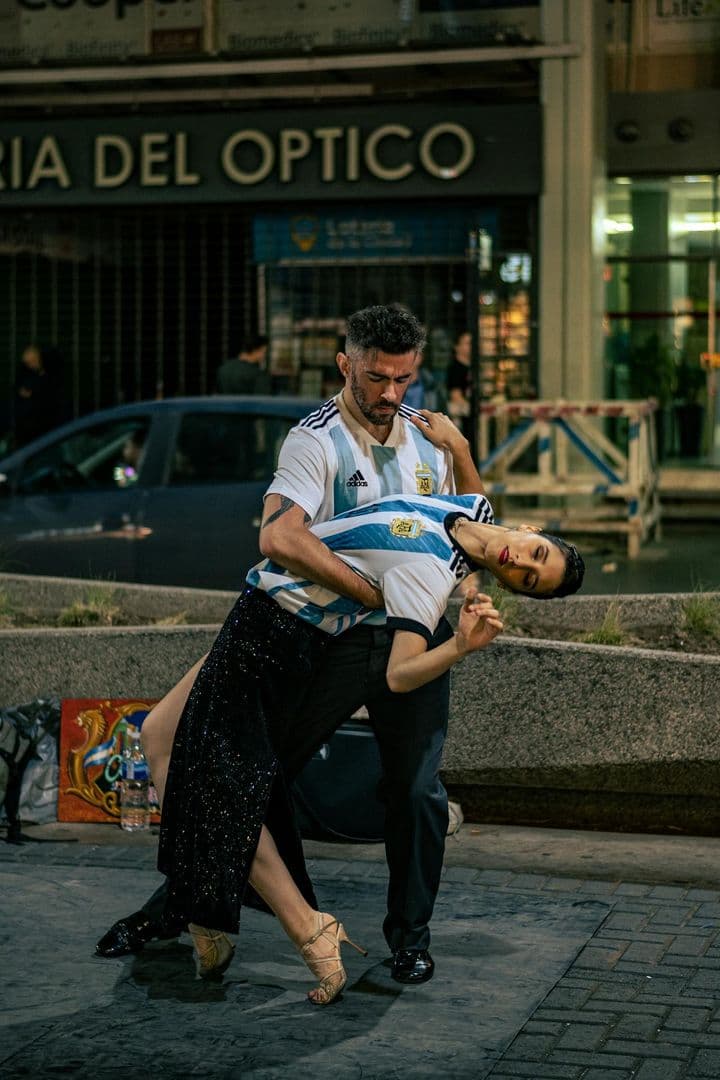
The history of tango, its basic steps, culture, and how you can learn it... A comprehensive journey into the world of tango from Gamze's perspective.

The heart of tango is in the abrazo. A proper embrace is the foundation of a beautiful dance...